
A well-loved paperback with pencilled notes can be priceless to its reader. So can a beautifully wrapped hardback, a special sprayed-edge edition, or a novel chosen to match a favourite colour and mood. Collectible books are not only about rare first editions behind glass. They are about the stories and details you want to keep close, display proudly, and reach for again when you need a little reading magic.
For book lovers, the joy is often in the whole experience. The cover catches your eye, the pages promise escape, and the little extras tucked beside the book make opening the parcel feel like an occasion. Whether you are starting a shelf of special editions or choosing a gift that feels far more thoughtful than a standard bookshop purchase, it helps to know what makes a book truly collectible.
What Makes a Book Collectible?
A collectible book is any book with a quality that makes it worth holding on to. That quality may be financial, sentimental, visual, or wonderfully niche. A signed copy from a favourite author can be collectible. So can a gorgeous edition of a comfort read, an out-of-print title you searched for years to find, or a themed novel paired with keepsakes that capture the feeling of the story.
Traditional collectors may look for first editions, limited print runs, author signatures, unusual bindings, or books with a connection to a particular literary moment. Those details can matter, especially if resale value is part of the appeal. Yet collecting does not have to be formal or investment-led. A shelf arranged around romance, dark academia, cosy mysteries, or your favourite fictional worlds is a collection too.
The best collections have a point of view. They tell visitors something about the reader who made them, even if that reader is simply you on a quiet Sunday afternoon.
Rarity is lovely, but connection lasts longer
It is tempting to chase whatever is labelled limited edition, but scarcity alone does not make a book meaningful. A numbered copy is exciting, of course, but only if you genuinely want it in your home. The most satisfying collectible books usually sit at the meeting point of beauty and attachment.
Ask yourself whether you would still be delighted to own the book if its resale price never changed. If the answer is yes, it has earned its place. This approach also takes the pressure out of collecting. You do not need the biggest budget or the oldest title to create a shelf that feels special.
Collectible Books to Choose for Your Shelf
Start with the reading life you already have. Perhaps you reread classic love stories every winter, collect fantasy series with dramatic cover art, or always gravitate towards a mystery with a moody, illustrated jacket. Choosing within a theme gives your collection a lovely sense of intention without making it feel rigid.
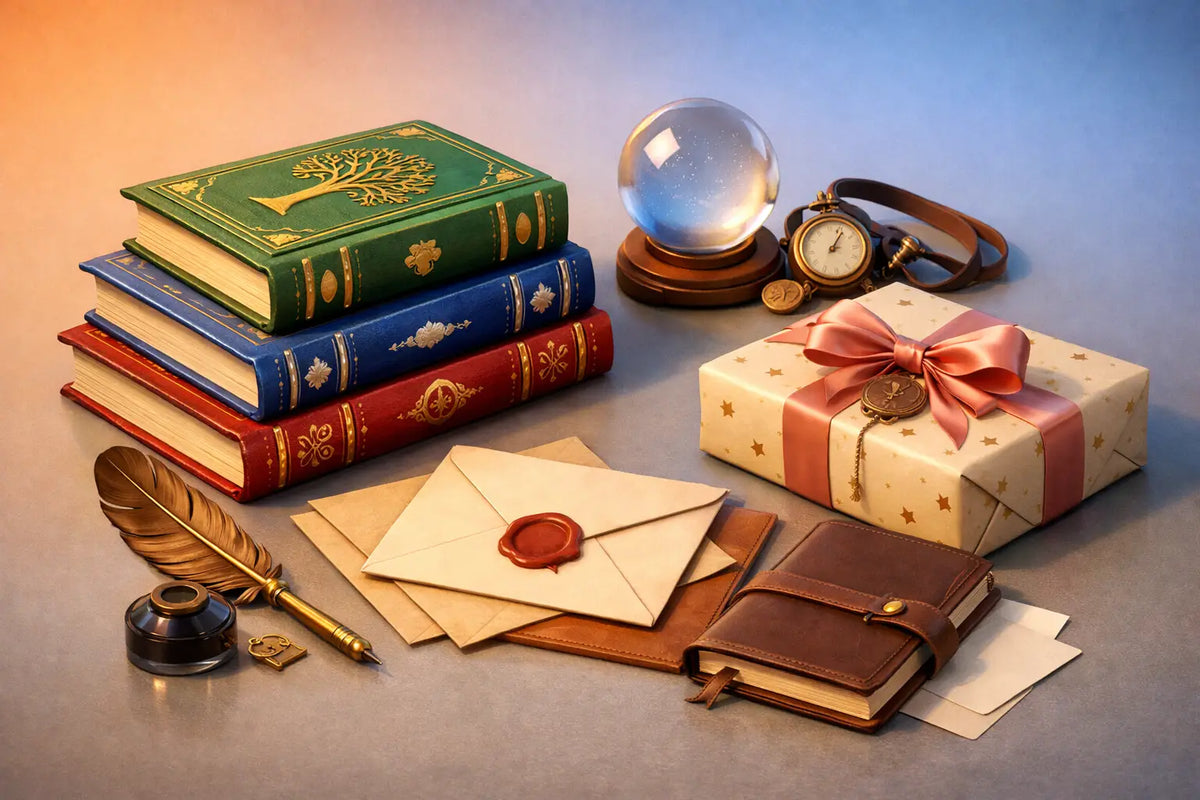
Special editions are an easy place to begin. Look for hardbacks with foiled covers, illustrated endpapers, coloured page edges, ribbon markers, or exclusive dust jackets. These details turn the physical book into part of the pleasure, which is especially lovely for a story you already adore.
Signed editions can feel deeply personal, particularly when the author has written a note or visited a local event. Be mindful, though, that a signature should be genuine and clearly described. If collectability matters, keep any proof of signing, event ticket, or certificate safely with the book rather than tucked loosely between pages.
Out-of-print editions offer a different kind of thrill. They may have a cover design that has disappeared from newer printings, a beloved translation, or a format that takes you back to the first time you read it. Their value varies greatly, and condition can influence it, but the hunt is part of the charm.
There is also a gentler, more playful route: collect books through colour, season, genre, or feeling. A lilac bundle for a friend who loves romantic fiction, a deep green selection for an autumn reader, or a mystery pick for someone who wants to be surprised can become the beginning of a collection that feels completely personal. At Bundles4Booklovers, that sense of themed discovery is part of what makes a book parcel feel gift-worthy from the moment it arrives.
Look Beyond the Book Itself
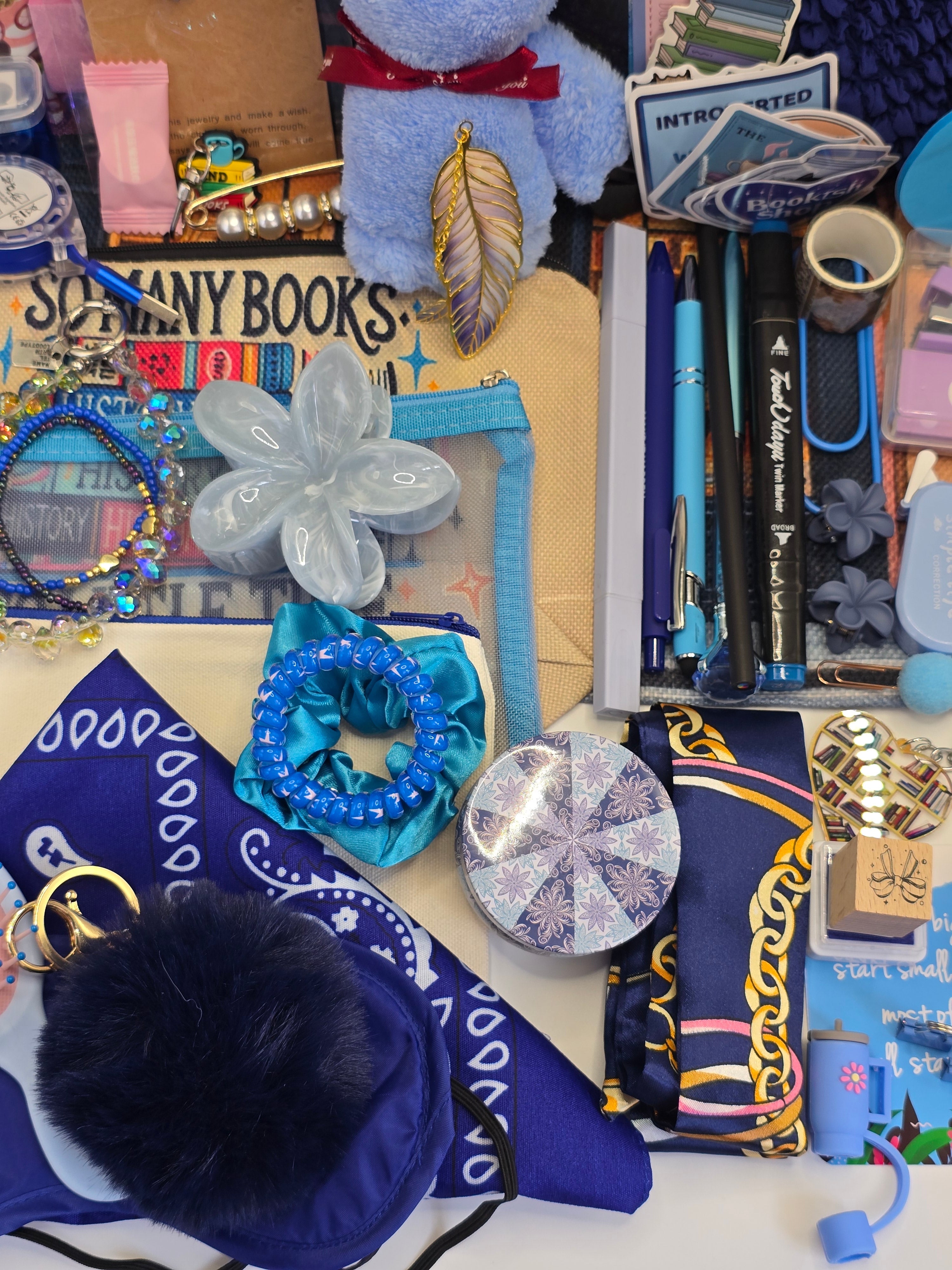
For many readers, a collectible reading experience includes the pieces around the novel too. Bookmarks, reading journals, literary stickers, cosy accessories, art prints, and little themed keepsakes can turn one book into a memory of a particular reading season.
This does not mean every item needs to be expensive or rare. The secret is cohesion. A dark, candlelit fantasy novel with a matching bookmark and a small magical keepsake feels more considered than a collection of random extras. Likewise, a romance read paired with a sweet letter, pretty packaging, and a few thoughtful details gives the recipient something to savour before they have read page one.
Themed post can be especially charming for readers who enjoy anticipation as much as the final reveal. A chosen monthly letter theme, whether romantic, reflective, or designed to bring a little inner peace, adds a small ritual to the month. The keepsake is not merely an object. It becomes a tiny reminder that someone made time for imagination, comfort, and themselves.
Condition Matters, but Perfection Is Not Everything
If you are collecting for possible future value, condition deserves close attention. A clean dust jacket, firm binding, unmarked pages, and an absence of damp or sun fading all make a difference. First editions with their original jackets are often more desirable than the same books without them.
For a personal collection, however, perfection is optional. A slight crease in the spine of a novel you carried everywhere on holiday does not make it less precious. It simply means the book has had a life with you. There is room on a collector's shelf for pristine editions and joyfully worn comfort reads.
When buying a second-hand book, check the listing or ask about writing, stains, loose pages, odours, and jacket condition. When choosing a surprise book bundle, focus on the description of the genre, theme, format, and overall experience. The right choice depends on whether you want a display piece, a reading copy, a meaningful gift, or all three.
How to Care for Books You Want to Keep
A few simple habits will keep treasured books looking their best. Store them upright with enough support that they do not lean heavily, but avoid packing them so tightly that you must tug at the top of the spine to remove one. If a shelf is partly empty, bookends are kinder than a row of slumping hardbacks.
Keep books away from direct sunlight, radiators, damp windowsills, and steamy rooms. Heat can dry out bindings, sunlight fades covers, and moisture invites warping and mildew. A cool, dry room is ideal.
Use a bookmark rather than folding page corners, and never rest an open hardback face-down if you can help it. That little habit can damage the binding over time. If you are keeping a dust jacket, consider a removable protective cover, particularly for older or more valuable editions.
For special letters, art cards, certificates, and bookish extras, use an archival box or a labelled folder nearby. Loose keepsakes tend to vanish just when you want to show someone the full story behind a book.
Giving a Collectible Book as a Gift
A collectible book makes a wonderful gift because it can be both personal and easy to enjoy. You do not need to know every title the recipient has read. Start with the feeling you want to give: a comforting evening, a swoony escape, a clever mystery, a burst of colour, or a surprise waiting to be opened.
Presentation matters here. A beautiful wrap, a handwritten note, and a few accessories chosen around the theme can make even a newly published paperback feel memorable. For a reader who is difficult to buy for, a blind date with a book is often a lovely answer. The mystery removes the pressure of picking the perfect title while still showing you have chosen something with their reading happiness in mind.
If you do know their favourites, consider an edition that adds something they do not already own. A hardback companion to a much-read paperback, an illustrated classic, or a matching title from a favourite genre can feel like a proper addition to their shelf rather than another duplicate.
A collection does not need permission to begin. Choose the book that gives you a flutter of excitement, keep the details that make it yours, and let each new parcel, page, and keepsake add a little more story to the shelf.