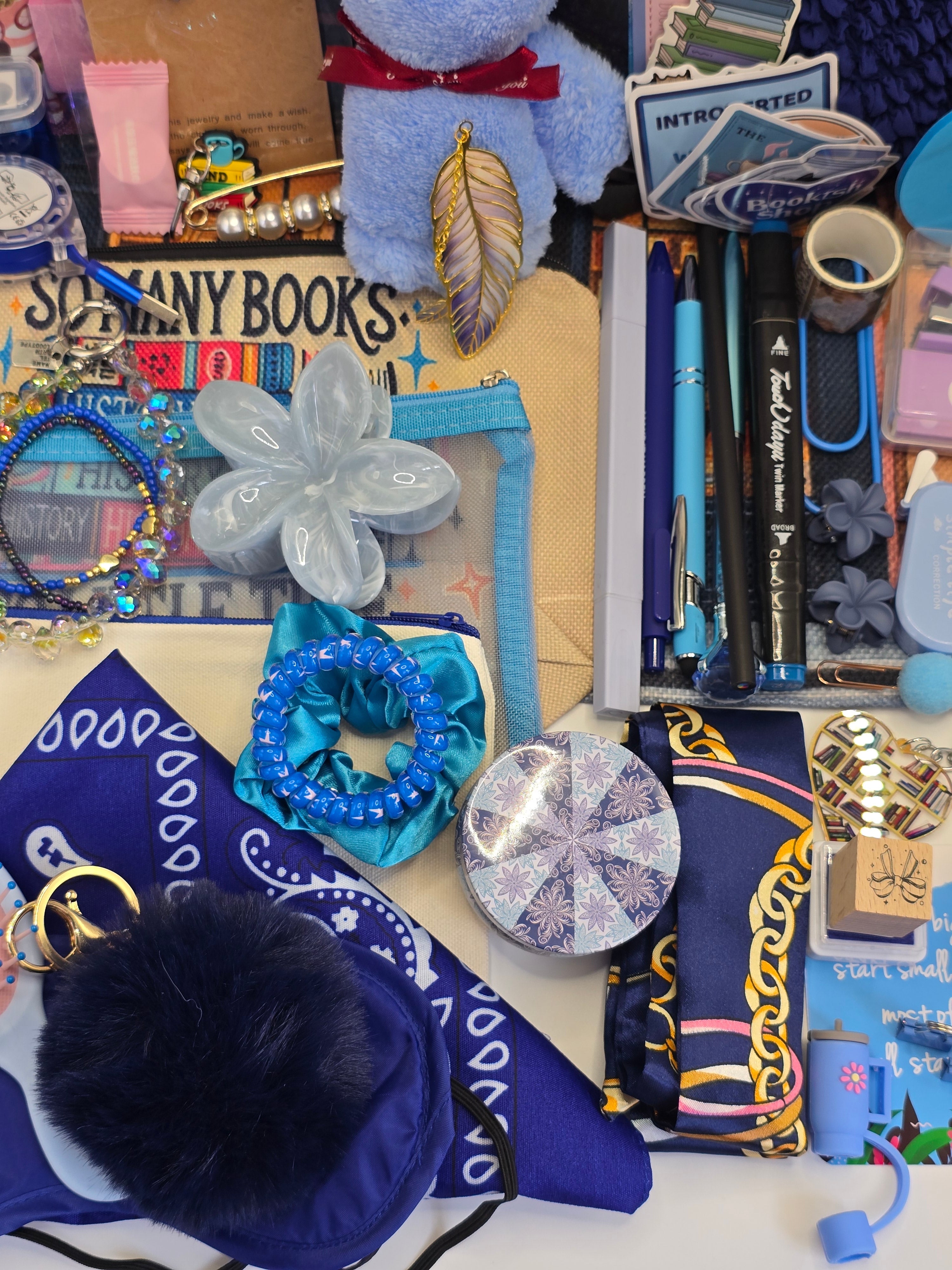


There is a particular kind of happiness in spotting a handwritten envelope among the bills and leaflets. A guide to letter writing clubs begins there: with the small thrill of knowing that somebody chose a card, found a stamp and set aside time to write to you. Whether you are craving a gentler hobby, fellow bookworms to talk to, or a reason to use that beautiful stationery you have been saving, a letter writing club turns ordinary post into a lovely little ritual.
What makes a letter writing club special?
A letter writing club is simply a group built around sending and receiving handwritten letters. Some clubs meet in person for a monthly stationery-and-tea evening. Others pair members as pen pals, set a prompt each month, or run entirely through post. The shared aim is not perfect handwriting or pages of profound wisdom. It is making room for a more thoughtful kind of conversation.
For readers, letters have an especially bookish charm. They can feel like stepping into a favourite novel: a folded note, a pressed flower, a quotation copied into the margin, perhaps a recommendation for the next rainy-afternoon read. Unlike a quick message on a screen, a letter has a physical presence. It can be tucked into a journal, pinned above a desk, or rediscovered years later inside a book.
Clubs vary wonderfully. A local group might gather at a library, bookshop or café, while an online community may match writers across the UK or further afield. Some focus on friendship; others are themed around romance, creativity, wellbeing, reading or seasonal post. The best choice depends on what you want from it. If you want regular connection, look for a club with clear posting dates. If you mostly want a peaceful solo ritual, a themed subscription or prompt-led club may suit you better.
A guide to letter writing clubs: finding your fit
Start by deciding how much structure you would enjoy. A formal pen-pal scheme often gives you a partner and a posting schedule, which is helpful if blank-page nerves tend to stop you before you begin. A casual meet-up offers more flexibility and the chance to write several notes at once. Neither is better. Consistency matters more than complexity.
Think about the atmosphere you would like, too. A bookish club may invite members to swap reading reflections and favourite quotes. A creative club might encourage collage, decorated envelopes and tiny keepsakes. A quieter wellbeing-focused group may use gentle prompts, such as describing a comforting place or naming three things that brought joy that week.
Before joining, check the practical details. How often are letters expected? Are postage costs included or separate? Is the club open to international members? A monthly exchange is usually manageable for most people, while weekly letters can become expensive or feel like another task on a crowded to-do list. There is no shame in choosing a slower rhythm.
It is also worth asking how addresses are handled. A well-run club should explain its privacy approach clearly and never pressure members to share more personal information than they wish. If you are uncomfortable using your home address, consider a PO Box where appropriate, write through a moderated scheme, or choose an in-person writing circle where you can enjoy the craft without exchanging details.
Look for prompts, not pressure
The loveliest clubs make it easy to begin. Monthly themes give a letter somewhere to go when your mind goes blank: childhood books, a recent walk, a meal you would happily eat again, the soundtrack of your week. Prompts are invitations, not homework. You can answer them closely, wander off on a tangent, or write about the fact that you have nothing exciting to report.
That last one is more charming than it sounds. The everyday details are often what make letters meaningful. Tell someone about the mug you reach for every morning, the chapter that made you gasp, or the neighbour’s cat who has appointed itself guardian of your garden. A good pen pal does not need a polished performance. They want a glimpse of your real life.
Joining in with confidence
Your first letter does not need to be long. A page is plenty, especially when you are getting to know someone. Introduce yourself with a few details you genuinely enjoy sharing: your favourite genres, the season you love most, a recent comfort read, or a small thing you are looking forward to. Then ask two or three open questions that make a reply easy.
Try to keep expectations kind and realistic. People get busy, post goes astray, and some writers need more time to reply than others. If a club promises monthly letters, allow a little grace before assuming silence means disinterest. On the other hand, if an exchange repeatedly feels one-sided, it is fine to step back. Letter writing should feel nourishing, not like chasing correspondence.
A few simple habits help every exchange feel safe and welcoming:
- Avoid sharing sensitive information too quickly, including financial details, workplace routines or anything that could compromise your safety.
- Be mindful that humour and tone can read differently on paper. Warmth travels well, but assumptions do not always.
- Honour agreed posting dates where possible, and send a short message through the club organiser if you need to pause.
- Ask before including scented items, food, seeds or bulky extras, particularly when writing internationally or to someone with allergies.
How to start a small letter writing club
If you cannot find a club that feels quite right, gather a few friends and make your own. Four to eight members is a cosy number: enough variety for new voices, but small enough that nobody disappears into the crowd. You can meet monthly at someone’s kitchen table, in a quiet corner of a café, or at a community space.
Choose one simple format for the first three months. For example, everyone brings their own stationery, writes for an hour, and posts at least one letter before leaving. Add a loose theme if you like, such as “books that stayed with us” or “springtime comfort”. Keeping the first gatherings uncomplicated makes it far more likely that the club will last.
If your group includes people who live apart, create a gentle rota. Each month, members write to the next person on the list, so everyone receives one letter and knows exactly whom to write to. A rotating format prevents the awkwardness of wondering who is responsible for whom. For a more spontaneous club, put names into pairs and reshuffle them every few months.
Agree on a few boundaries early. Decide whether letters should remain private, whether members are happy to receive little extras, and what happens if somebody needs to leave the group. A kind, clear arrangement protects the cosy feeling you are trying to create. It also lets shy newcomers join without worrying that they need to be endlessly entertaining.
Make the gathering feel like a treat
A letter-writing evening needs very little to feel special: good pens, spare paper, stamps, a warm drink and a small dish of biscuits. A playlist can be lovely, but leave enough quiet for people to think. If your club is bookish, begin with a five-minute show-and-tell of what everyone is reading, then let the conversation settle into the soft scratch of pens.
For a monthly surprise, choose a shared envelope theme or a tiny keepsake that fits inside a standard letter. A bookmark, tea sachet, mini reading list or pressed leaf can make the post feel personal without becoming costly. Bundles4Booklovers’ themed Mail Club captures a similar feeling of anticipation, pairing a chosen letter theme with keepsake surprises for readers who enjoy a little magic arriving through the letterbox.
Keep the joy in the post
The best letter writing habit is the one you can keep. Store your supplies together in a box or basket so that writing does not require a hunt through drawers. Keep a few stamps on hand, along with a list of addresses and birthdays. When a thought occurs to you for a friend, jot it down in a notebook. By letter day, you will have a pocketful of things to say.
Let your club change with the seasons. In winter, exchange reading lists and cosy reflections. In summer, send postcards from days out or describe what is growing nearby. Around holidays, remember that not everyone celebrates the same occasions, and make space for ordinary seasonal warmth rather than assuming a shared tradition.
Most of all, allow letters to be imperfect. Crossed-out words, wonky stamps and a slightly smudged line of ink are signs that a real person sat down and wrote. Choose a club that makes you feel excited to check the letterbox, then send the sort of post you would be delighted to receive: honest, thoughtful and unmistakably yours.