
The magic starts before the first page. A blind date with a book works because the wrapping turns an ordinary novel into a tiny event - a surprise to unwrap, guess, and savour before the reading even begins. If you have been wondering how to wrap blind date with a book step by step, the good news is that you do not need a craft cupboard full of fancy supplies. You just need a lovely book, a clear theme, and a few thoughtful details that make it feel special.
What makes this style of wrapping so appealing is the balance between mystery and personality. You want the book to be hidden, but not stripped of charm. The outer layer should hint at the mood without giving away the title, author, or cover. That is where the fun sits - in the teasing clues, the tactile paper, and the little finishing touches that make someone feel chosen for.
How to wrap blind date with a book step by step
Start by choosing the right book for the experience you want to create. This matters more than the wrapping itself. A blind date with a book should feel curated, not random, so think about genre, tone, and the person receiving it. A cosy mystery calls for a different mood than a sweeping romance or a dark fantasy. If it is a gift, consider the reader's usual favourites, but leave room for a little surprise.
Once you have your book, check its condition. If you are using a paperback, make sure the corners are neat and the spine is not too creased. If the book looks tired, no amount of ribbon will make it feel premium. The charm of a wrapped book lies in presentation, so the book underneath still needs to feel gift-worthy.
Next, gather your wrapping materials. Brown kraft paper is the classic choice because it gives that clean, bookish look and makes labels and embellishments stand out beautifully. But it is not the only option. Soft floral paper, celestial prints, muted stripes, or colour-themed wrapping can work wonderfully if they suit the feel of the book. The key is to keep the design attractive without making it too loud. You want the clues and accessories to be part of the visual story.
Place the book face down on your paper and measure enough to cover it completely, with a little overlap. Cut the paper neatly. Fold the longer sides in first, smoothing the paper so it sits snugly around the book, then fold in the ends like you would wrap a present. Use double-sided tape if you want a cleaner finish, though ordinary clear tape is perfectly fine if placed tidily. The goal is a wrap that feels crisp and intentional rather than hurried.
At this point, pause before decorating. A common mistake is adding too much too quickly. Blind date wrapping looks best when each detail has a purpose. Ask yourself what story the outside is telling. Is it soft and romantic? Playful and bright? Moody and gothic? Once you know that, the embellishments become easier to choose.
Add clues without spoiling the surprise
The clues are what transform wrapped paper into a proper blind date with a book. This is where you tempt the reader. Keep them short and appealing, and focus on feeling rather than plot twists. Think along the lines of enemies to lovers, found family, small town setting, morally grey hero, magical library, or heart-tugging coming-of-age. Three to five clues usually feels right. Fewer can seem vague, while too many start to reveal too much.
Write the clues on a gift tag, a luggage label, or a small card tucked under ribbon or twine. Handwritten clues feel charming and personal, while printed labels look polished and consistent if you are making several. Both work beautifully. What matters is readability and placement. You want the clues to be one of the first things the recipient notices.
Avoid listing the genre alone and calling it done. Saying romance or thriller is useful, but it is not enough on its own to create intrigue. Pair broad genre cues with a mood or trope. That is what gives the package personality. A line like cosy village mystery with eccentric characters is far more enticing than mystery by itself.
Choose finishing touches that feel bookish
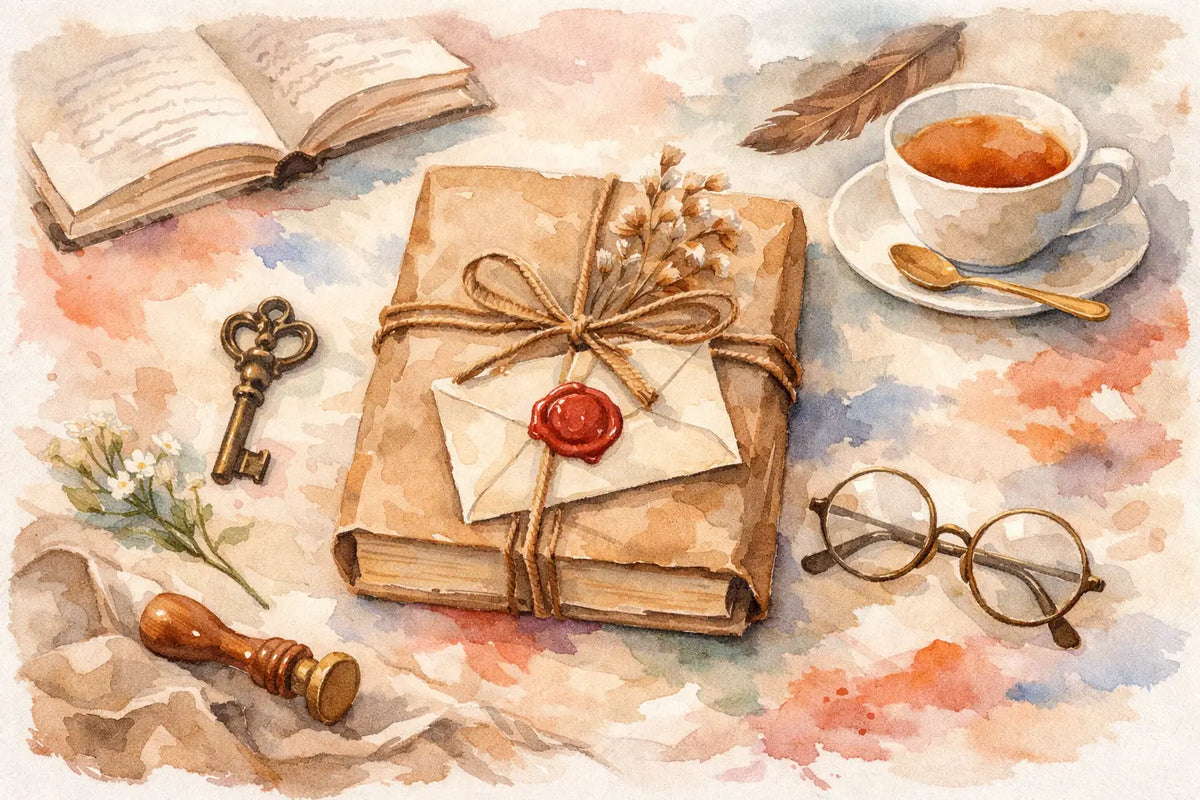
This is the stage where the package starts to feel giftable rather than merely wrapped. Twine, satin ribbon, wax seals, pressed flowers, lace trims, dried orange slices, bookmarks, and mini art prints can all work, but it depends on the style you want. If the book is for a fantasy lover, velvet ribbon and celestial stickers can feel gorgeous. If it is a light-hearted contemporary romance, pastel ribbon and floral tags might suit it better.
Try not to crowd the parcel. One ribbon and one extra detail often looks lovelier than five competing elements. If you are posting the wrapped book, keep practicalities in mind. Bulky decorations may get crushed, and wax seals can crack if they are not protected. For postal gifting, flatter embellishments are usually the better choice.
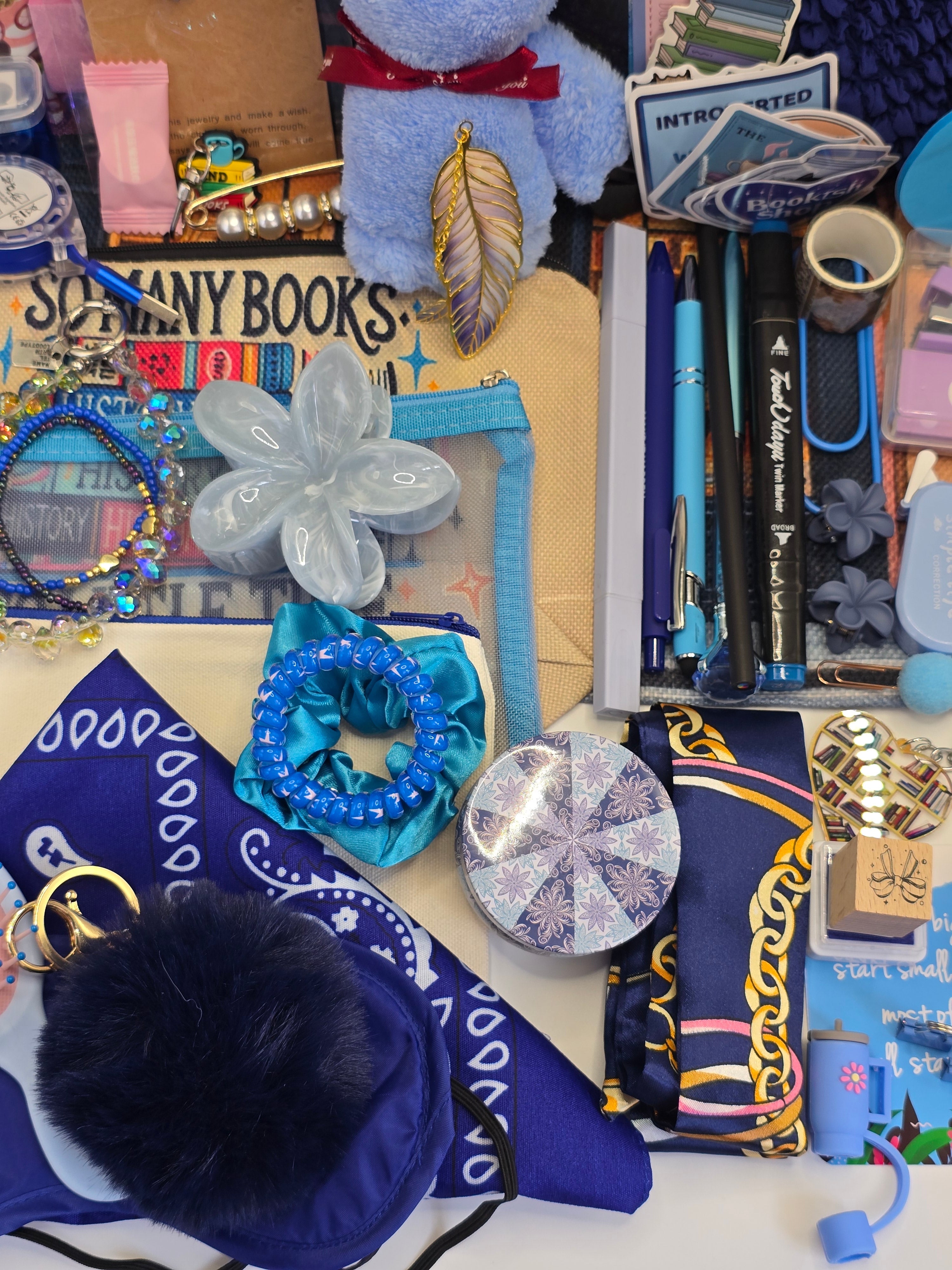
A bookmark is one of the nicest additions because it feels useful as well as decorative. You could tuck it under the ribbon so it peeks out slightly. Small extras like a tea sachet, a hot chocolate stick, a sheet of bookish stickers, or a handwritten note can also elevate the whole experience. This is where a brand like Bundles4Booklovers has such natural appeal - the joy comes from pairing the book with little themed touches that make opening it feel like an occasion.
Make the wrapping match the reader or the theme
If you are wrapping for yourself to enjoy later, you can be guided entirely by mood. If you are wrapping for someone else, think about what would make them smile before they even open it. Some readers love cottagecore textures and dried flowers. Others prefer sleek monochrome wrapping with simple typography. Neither is better. It just depends on whether you want whimsical, elegant, playful, or dramatic.
Colour can do a lot of work here. Deep burgundy, forest green, and gold accents feel rich and autumnal. Pale pink, cream, and lilac feel soft and romantic. Navy with silver details gives a starry, dreamy feel. If you are creating a themed bundle, choose one palette and stay with it. Consistency makes even simple materials look more considered.
There is also the question of whether to wrap tightly around the book or create more of a parcel effect with tissue, belly bands, and layered tags. A snug wrap looks smart and classic. A layered wrap feels more boutique and tactile. Neither approach is wrong, but if speed matters, go with the classic fold-and-tape method and let your ribbon and clues do the talking.
Common mistakes to avoid
The biggest misstep is giving too much away. If the clue card mentions a very specific setting, famous trope combination, and exact emotional arc, an experienced reader may guess the title instantly. Keep some mystery intact. The second mistake is not securing the wrap properly. Loose paper and slipping ribbon can make the whole package look unfinished.
Another issue is choosing decorations that snag, shed, or stain. Glitter may seem festive, but it gets everywhere. Fresh flowers look pretty for five minutes and then wilt. Heavily scented items can also be divisive, especially if the recipient is sensitive to fragrance. When in doubt, keep it simple, clean, and tactile.
Finally, do not forget the practical side if you are gifting by post. Wrap the book itself beautifully, but place that wrapped parcel inside protective outer packaging so it arrives looking as lovely as when you sent it. A blind date with a book should feel enchanting on arrival, not slightly battered.
A simple way to make it feel extra special
If you want to lift the whole experience without adding much cost, include a tiny note explaining why you chose this style of blind date. It could be as simple as for a rainy weekend, for your next comfort read, or for when you want a story with a bit of mischief. That line gives the parcel a sense of intention. It turns wrapping into curation.
That is really the heart of it. Learning how to wrap blind date with a book step by step is less about perfect folds and more about creating a reading moment that feels thoughtful, cosy, and a little bit magical. When the paper, clues, and finishing touches all work together, the book becomes more than a book. It becomes a surprise worth lingering over.